What we read this week: March 30
“Playing Games with Décor” (The New York Times)
Takeaways:
Consumers are investing in at-home social spaces like mahjong rooms, signaling a shift toward experience-based spending over traditional luxury goods.
Mahjong’s resurgence shows how a historically Chinese game with deep cultural roots is being repackaged into an aspirational, design-forward lifestyle trend.
The coverage largely centers aesthetics and social appeal, while overlooking the game’s cultural significance and the traditional companies that have sustained it over time.
The trend reflects a broader move toward “home-centric consumerism” focused on connection, comfort, and personalization.
“Taylor Frankie Paul's 'Bachelorette' canceled. Can ABC get a refund?” (USA Today)
Takeaways:
ABC’s decision to cancel The Bachelorette season featuring Taylor Frankie Paul shows that casting driven by virality and controversial moments can deter advertisers and reduce revenue potential.
Audience backlash shows that people now want stories that match a brand’s values, not just ones that go viral.
The cancellation underscores how reputational risk directly impacts revenue in entertainment-driven consumer markets.
“‘Monitoring the Situation’ Is How the Internet Handles Crisis” (Bloomberg)
Takeaways:
The normalization of passive, real-time updates reflects a shift toward always-on consumption behaviors tied to news and social media ecosystems.
This dynamic creates pressure for brands to respond instantly while maintaining credibility in high-visibility moments.
The blending of information and entertainment reinforces how attention itself has become a primary consumer commodity.
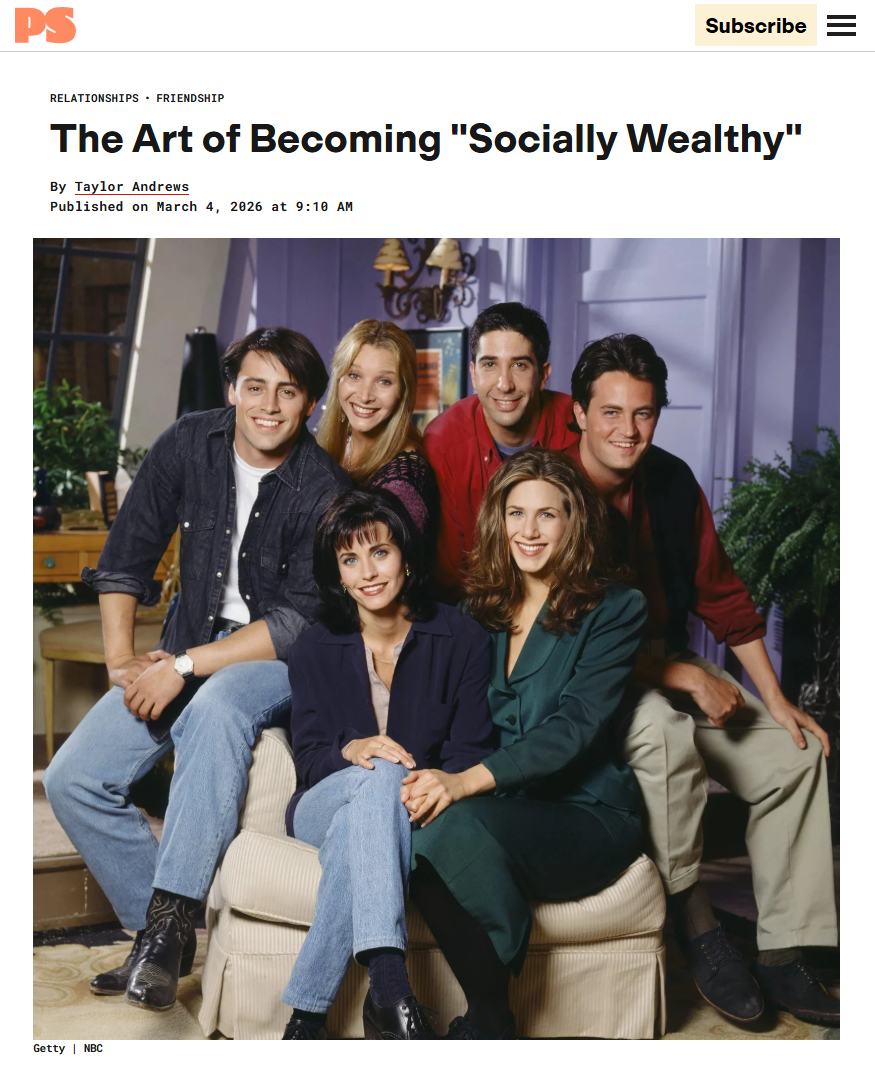
“The Art of Becoming "Socially Wealthy"” (PopSugar)
Takeaways:
Consumers are redefining status through relationships and shared experiences, deprioritizing materialistic items as primary indicators of success.
Spending habits are shifting toward social activities, wellness, and connection-driven purchases.
“Social wealth” functions as a new form of cultural capital that influences lifestyle and brand affinity.
Brands that emphasize community and emotional value are better positioned to capture long-term consumer loyalty.
“Forget Influencers. Welcome to the World of the ‘Alternatively Influential.’” (The Wall Street Journal)
Takeaways:
Micro-communities are becoming key drivers of demand, shaping trends through trust rather than scale.
Brands are reallocating budgets toward high-trust partnerships that yield stronger conversion rates.
This shift reflects growing skepticism of mass influencer culture and a preference for authentic, expertise-led recommendations.
Becoming a consumer of media outlets you hope to see your name in will help you understand what the contacts on your media list are looking for. And the best part? This is something anyone can do without hiring professional support.
Check out our “6 ways to populate your media list without expensive PR tools” blog below for more on identifying relevant media contacts for your brand.
Looking for 1:1 support on brand strategy & media outreach? Book a complimentary consultation with me here - I’d love to meet you!
Xo,
Julia, Che PR Founder