What we read this week: March 15
“Timothée Chalamet Faces Criticism For Comments About Ballet, Opera” (Vanity Fair)
Takeaways:
Timothée Chalamet faced criticism after joking that ballet and opera were no longer culturally relevant, prompting responses from major arts institutions defending the value of classical performance.
Coverage of Chalamet’s Wonka press tour, including reports of a private chef preparing multiple breakfast options, sparked online discussions about celebrity privilege and excess.
The incident illustrates how minor celebrity anecdotes or offhand comments can quickly evolve into viral cultural debates about elitism and relatability.
“Love in the Time of A.I. Companions” (The New Yorker)
Takeaways:
AI companion platforms are attracting users seeking emotional support, friendship, or romantic simulation through conversational technology.
These platforms blur the boundaries between entertainment, therapy, and relationships by allowing users to build detailed fictional connections with AI partners.
The trend raises ethical concerns about dependency, authenticity and the psychological impact of digital intimacy.
“The Highly Exclusive Way That Everybody Shops Now” (The Atlantic)
Retail brands are increasingly using limited-time “drops” to create urgency and hype around product releases.
The model, popularized by streetwear, is spreading across fashion, beauty and lifestyle markets.
Selling out quickly is often treated as a marketing success metric, reinforcing brand desirability and encouraging repeat participation in future releases.
Social media plays a critical role in the system, as anticipation, influencer promotion and fear-of-missing-out drive rapid consumer purchasing behavior.
“We Asked 5 Travel Pros the Best Family Spring Break Destination—and They All Picked the Same Place” (Travel + Leisure)
Travel experts recommend destinations that balance relaxation with activities suited for multiple generations of travelers.
Many top spring break spots emphasize outdoor experiences such as beaches, nature excursions, and cultural exploration.
Families are increasingly prioritizing travel that combines leisure with educational or memory-building experiences.
The recommendations reflect the growing market for multigenerational and experience-driven travel.
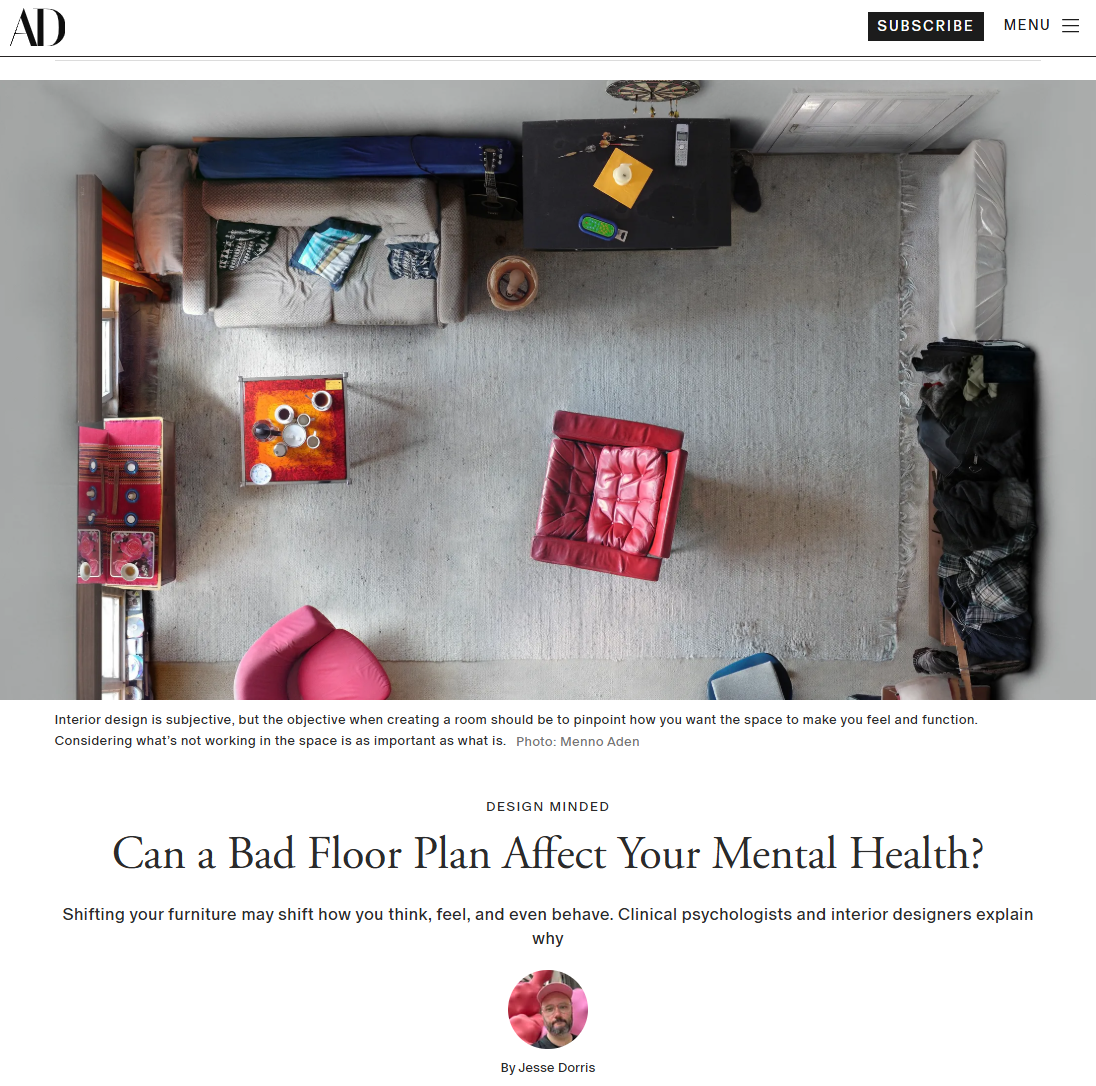
“Can a Bad Floor Plan Affect Your Mental Health?” (Architectural Digest)
Architects and psychologists say poor home layouts, such as cramped spaces or lack of natural light, can negatively impact stress levels and well-being.
As remote work increases time spent at home, consumers are becoming more conscious of how design influences mental health.
Wellness-focused design principles like natural light, open layouts and flexible spaces are becoming more desirable in residential architecture.
The conversation reflects a broader trend of consumers viewing home design as a factor in emotional and psychological health.
“What Successful Entrepreneurs Do Differently the Second Time Around” (Business of Fashion)
Second-time founders often focus on sustainable growth rather than rapid expansion.
Experienced entrepreneurs prioritize stronger operational planning and strategic hiring from the start.
Lessons from previous ventures help founders identify market gaps more quickly.
The trend reflects a shift toward resilience and long-term thinking in startup culture.
Following the media outlets you want to be featured in helps you understand what their contacts are looking for. And the best part? This is something anyone can do without hiring professional support.
Subscribe to our Che PR newsletter below & follow us on Instagram if you want to receive more tips like these directly to your inbox or social media feed.