How to Write a Media Pitch for Your Interior Design Project (With Examples)
Whether you’re a designer pitching your own work or a brand looking for editorial coverage, knowing how to communicate your project’s story is everything. Here’s how to do it.
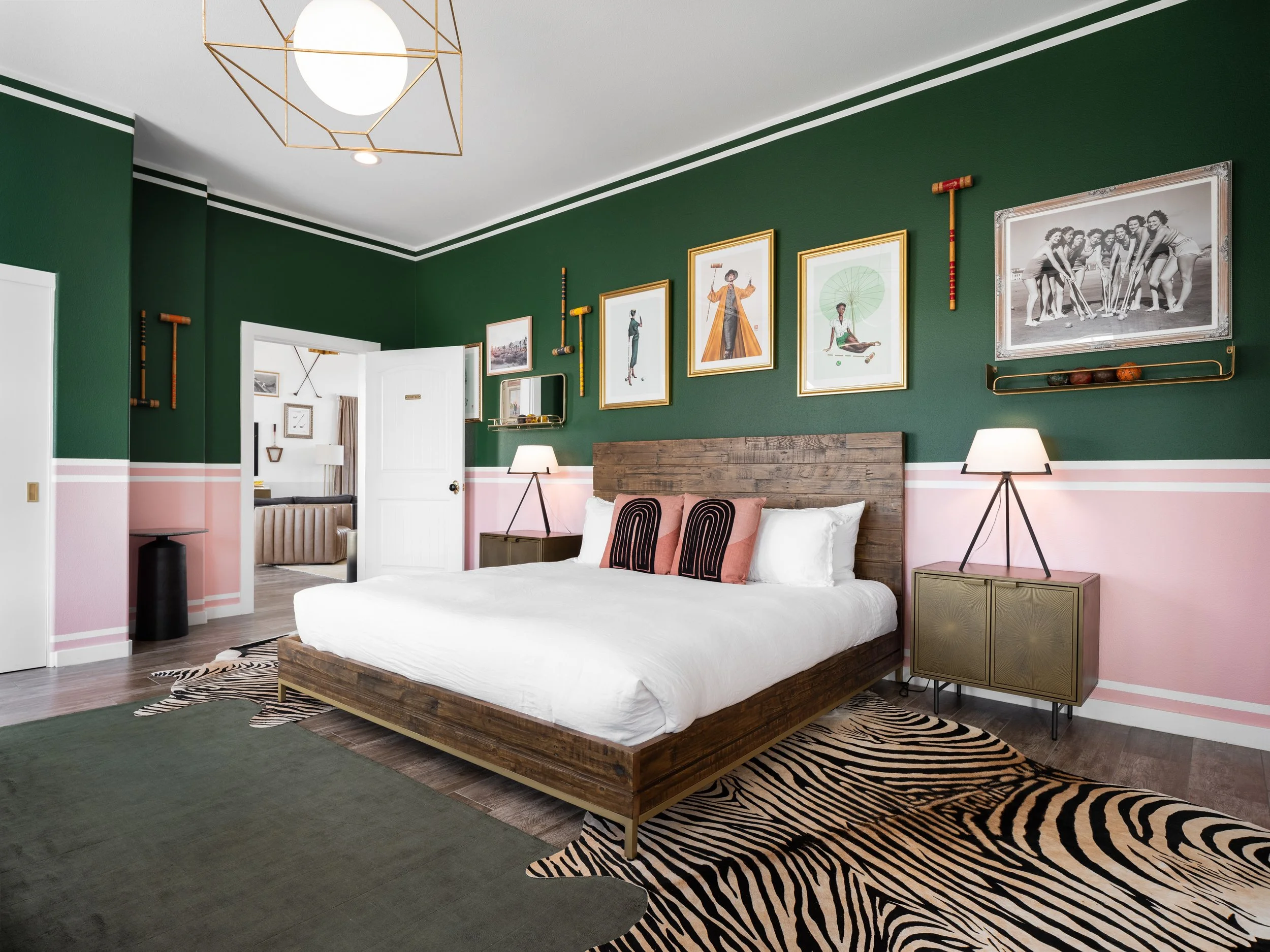
Photo by Brandon Vogts
How to Write a Media Pitch for Your Interior Design Project (With Examples)
You’ve just completed a stunning residential renovation, the kind with custom millwork, a standout color palette, and a backstory worth telling. Now what? Getting that project featured in a publication like Architectural Digest, Domino, or even a regional lifestyle magazine doesn’t happen by accident. It starts with a well-crafted media pitch.
What Is a Media Pitch (and Why Does It Matter)?
A media pitch is a short, compelling message sent to a journalist, editor, or producer that proposes a story idea. In the interior design world, pitches are how projects get featured, designers get profiled, and brands earn editorial placements, the kind of coverage that carries far more credibility than a paid ad.
Unlike a press release, a pitch is conversational and targeted. It’s written for one specific editor at one specific publication, not blasted to a list.
Know Your Angle Before You Write a Word
Every great pitch starts with a story angle the reason a reader would care. “We completed a beautiful kitchen remodel” is not an angle. Here are angles that actually work:
The transformation narrative: Before-and-after projects with a meaningful emotional story (a family finally gets the home they’ve always wanted, a historic building is restored with intention)
The trend hook: Your project reflects or sets a trend editors are already tracking (quiet luxury, biophilic design, maximalist revival)
The client story: An interesting subject, a chef who designed around their kitchen habits, a multigenerational household solving real spatial challenges
The product or material story: A unique sourcing story, a sustainable material choice, or a local artisan collaboration
If you’re unsure what angle is most timely, a media relations agency in Los Angeles can help you identify what editors are actively looking for and position your project accordingly.
Research the Right Outlets and Editors
Sending a pitch to the wrong person is the fastest way to get ignored. Before you write anything:
• Read the outlet regularly and study the kinds of projects they feature
• Identify the specific editor who covers residential interiors, design, or home
• Check their recent bylines and social media to understand what’s catching their eye
• Note whether the outlet accepts unsolicited pitches (many do, with the right approach)
National outlets like Architectural Digest, Elle Decor, and House Beautiful are competitive but reachable. Don’t overlook regional publications, design-focused digital outlets, or lifestyle titles that cover home, they often have more editorial flexibility and faster turnaround.
The Anatomy of a Strong Interior Design Pitch
A pitch email should be short, under 200 words in most cases. Here’s what to include:
A subject line that earns the open (Skip generic. Lead with the hook.)
“A 1920s Craftsman in Silver Lake, Reimagined for a Modern Family of Five”
A warm, specific opening (Reference their work. Show you’ve done your homework.)
“I’ve been following your coverage of livable, design-forward homes and thought this project might be a fit for your editorial calendar.”
The project story in 3–5 sentences
Who is the client, what was the challenge, what was the solution, what makes it visually compelling?
Why now
Is there a seasonal tie-in? A trend connection? A reason this story is timely?
The offer
High-resolution photography, availability for an interview, access to the designer and/or client.
A clean sign-off
Your name, title, contact information, and a link to your portfolio or press kit.
Pitch Examples
Example 1: Residential Project Pitch
Subject: A Multigenerational Home in Pasadena Built Around Connection, and Plenty of Privacy
Hi [Editor Name],
I loved your recent feature on homes designed around family routines,this project feels like a natural companion piece.
We recently completed a 3,800 sq. ft. renovation in Pasadena for a three-generation household: two parents, two teenagers, and a grandmother with her own suite. The challenge was designing a home that felt unified but gave each generation genuine privacy and ownership over their space. The result leans into warm Mediterranean architecture while incorporating flexible, modern living zones that don’t feel compromised.
Professional photography is available, and both the designer and homeowners are open to interviews. Happy to send a full press kit at your request.
Best,
[Your Name]
Example 2: Trend-Led Pitch
Subject: Quiet Luxury, West Coast Edition: A Malibu Retreat That Does More With Less
Hi [Editor Name],
As quiet luxury continues to define the design conversation, I wanted to share a recently completed Malibu project that takes the aesthetic in a distinctly California direction,natural plaster, locally sourced stone, and an almost total absence of pattern that somehow never feels cold.
The 4,200 sq. ft. home was designed for a private client seeking a primary residence that felt like a retreat without leaning into resort clichés. Every material choice was made with longevity and sensory experience in mind.
Full photography, project details, and designer availability for comment are all ready to share. Would love to know if this fits your pipeline.
Best,
[Your Name]
Common Pitching Mistakes to Avoid
Pitching without photos ready. Editors won’t chase you for assets. Have professional images before you reach out.
Leading with credentials instead of story. Your awards are secondary. The story is primary.
Sending the same pitch to 30 editors at once. Personalization is non-negotiable.
Following up too aggressively. One follow-up after 5–7 business days is appropriate.
Pitching the wrong outlet for the project’s scale or style. Know where your work actually fits.
When to Work With a Media Relations Agency
Pitch writing is a craft,and for designers who’d rather be designing, it can feel like a full-time job. A media relations agency in Los Angeles brings relationships with local and national editors, an understanding of what’s newsworthy right now, and the infrastructure to manage outreach, follow-ups, and press kit development on your behalf.
For interior design brands and studios looking to build sustained editorial presence,not just a one-time feature, agency support is often the difference between sporadic coverage and a consistent media footprint.
A great interior design pitch is specific, story-driven, and editor-focused. It respects the journalist’s time, leads with the most compelling angle, and makes it as easy as possible for them to say yes. With the right approach, and the right project, editorial coverage is absolutely within reach.
If you’re looking for a PR agency that understands both the media and the magic of your business, we’d love to hear your story. Set up a complimentary consultation with Founder Julia here.