What we read this week: May 24
“Rich People Didn’t Look Like This Before” (New York Times)
Takeaways:
The “rich face”, taut, overfilled, and expressionless, has shifted from sci-fi villain trope to real-world status symbol among the ultrawealthy, who are increasingly open about using cosmetic work to signal elite belonging rather than simply look better.
Extreme aesthetic customization is now functioning as a class marker: the unspoken appeal isn’t vanity, it’s access. Signifying membership in a group that operates under an entirely different set of societal rules.
Cultural observers warn this normalization reflects a broader neo-Gilded Age dynamic, where the wealthy feel increasingly emboldened to display excess, raising urgent questions for communicators about how audiences are reading and reacting to public figures’ appearances.
“Everlane x Shein”(The Cut)
Everlane, once known for sustainable clothing, is being sold to fast-fashion giant Shein and loyal customers feel genuinely betrayed.
The acquisition comes after majority owner L Catterton took on approximately $90 million in liabilities, making this less a strategic partnership and more a distress sale. When financial trouble forces a brand's hand, no amount of messaging can soften the optics.
Those with common stock will not receive a payout a detail that mirrors how everyday customers feel: bought in, then left behind. Communicators should note how quickly a community turns when they feel the brand's promises were never really for them.
CEO Alfred Chang promised "expanded global reach, new capabilities, and greater opportunities," but Everlane fans mourned online.
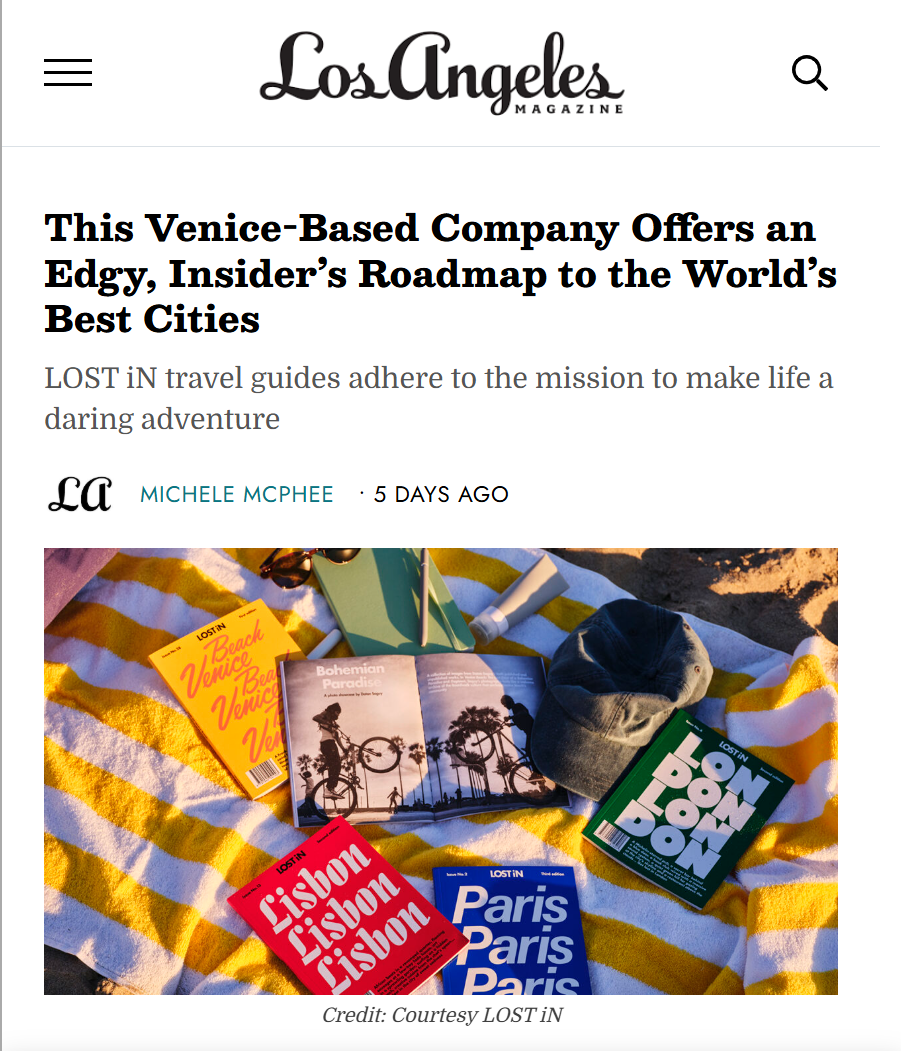
“LOST iN Travel Guides: Venice “(LA Mag)
LOST iN has built a 12-million-follower media brand by telling people not where to go, but why. Using local artists, musicians, and storytellers to surface what no algorithm can.
With 29 city guides and counting, LOST iN proves that specificity scales. Underground DJ sets in Seoul, a Parisian rapper's food map, the best bathrooms in Barcelona niche, voice-driven editorial is increasingly the premium product in an oversaturated travel market.
From a yacht in Marina del Rey to an exclusive Supper Club and a new travel membership service, LOST iN has turned a guidebook into a lifestyle ecosystem.
“Fred Again.. x Dropbox”(Billboard)
Fred Again.. encouraged concert-goers to put their phones away and stay present, in return promising direct access to photos and videos via Dropbox after each show. That simple exchange, presence for payoff, is one of the most elegant fan engagement strategies.
The Dropbox folder doubled as a creative working archive. The actual files Fred's team used to develop USB002. Giving fans a look behind the curtain isn't just generous; it's a form of brand storytelling that no press release can replicate.
Phone-free events globally have grown 567% over the past year per Eventbrite data, and Fred's USB002 sat at the front of that cultural shift before the data even confirmed it. Brands that anticipate audience behavior rather than react to it earn a different kind of credibility.
Those who accessed the files were encouraged to download, edit, and get creative, with organizers envisioning new tour posters, videos, and other collectibles emerging from the community.
“Tasteslop”(Nemesis Memos)
The essay defines "tasteslop" as what happens when a brand copies the look of cool without actually being part of the culture that made it cool in the first place. Think mood boards full of trendy objects that feel empty because there's no real community or story behind them.
Real taste isn't something you can fake or outsource, it comes from lived experience, sharp instincts, and a genuine point of view. The same goes for brand voice: the things that are truly yours are the things no one else can copy.
As AI makes more things easier to produce, what's actually rare is real cultural credibility and that's exactly what everyone is fighting over. So when a brand starts loudly claiming to be "authentic," it's worth asking: what are they worried about losing?
“Why You Should Almost Always Look on the Bright Side of Life” (The Economist)
People who look on the bright side tend to be healthier, more resilient to life's setbacks, and more likely to climb the career ladder or become entrepreneurs.
The Economist's Bartleby column doesn't just celebrate optimism, it stress-tests it. For PR professionals, the parallel is clear: positive framing is powerful, but blind optimism in the face of a real crisis destroys credibility faster than the crisis itself.
Resilience isn't about ignoring bad news, it's about returning to baseline faster. Communicators who can acknowledge hard truths without catastrophizing them are the ones clients trust when it actually matters.
Check out our blog post, “Milan Design Week 2026: The Trends That Stuck With Us” as our Founder Julia, takes a look at the trends that stuck with us the most following this year’s Milan Design week!
Looking for 1:1 support on brand strategy & media outreach? Book a complimentary consultation with me here - I’d love to meet you!
Xo,
Julia, Che PR Founder