What we read this week: April 19
“Karol G Spent Three Times What Coachella Paid Her to Produce a Headline Set. Why It Makes Sense” (The Hollywood Reporter)
Takeaways:
Artists and their teams increasingly view Coachella's headlining slot as a Super Bowl-like opportunity where exposure outweighs the paycheck itself. Signaling a shift in how live performance is valued as a long-term brand investment rather than a one-time revenue event.
The growing importance of the YouTube livestream has elevated production standards to a point where how a set translates on camera has become just as critical as how it lands in person.
Karol G made history as the first Latina to ever headline Coachella, demonstrating that cultural representation is now a marketable and commercially viable differentiator for major live events.
The coverage highlights a broader truth: artists who treat high-profile performances as strategic brand-building tools, not just gigs, are redefining the economics of the live entertainment industry.
"New York Governor's Proposed Pied-à-Terre Tax Gains Momentum" (The New York Times)
Takeaways:
After more than a decade of failed attempts, the proposal is gaining traction due to an alignment of political support. Signaling that wealth-targeted policy can move from fringe to mainstream when fiscal pressure and political will converge.
The tax directly targets luxury properties used as wealth storage vehicles rather than primary residences, reflecting a growing cultural and regulatory appetite for redefining what fair contribution looks like from ultra-high-net-worth individuals.
For luxury lifestyle and real estate brands, this story is a signal to monitor: how wealth is publicly perceived and politically treated is shifting, and brand positioning that ignores this risks appearing tone-deaf in an increasingly scrutinized market.
"Gen Z Is Using A.I., but Doesn't Feel Great About It" (The New York Times)
Takeaways:
Despite steady usage rates, Gen Z's emotional relationship with AI has soured significantly. Excitement and hopefulness have both dropped sharply while anger has risen, revealing a growing disconnect between adoption and enthusiasm.
Gen Z continues using AI out of a sense of inevitability rather than genuine buy-in, suggesting that access and habit do not equal trust, whish is a critical distinction for brands and employers building AI-forward products and workplaces.
For brands targeting Gen Z, this signals a trust gap that authentic human-centered messaging and genuine skill-building investment will be essential to bridge. Performative AI enthusiasm is likely to backfire with this audience.
"How 'The Drama' Could Redefine A24" (Variety)
Takeaways:
The film signals a potential identity evolution for A24, from its signature cool, outré aesthetic toward smart, emotionally resonant original romance. Suggesting the studio is finding a new commercial lane without abandoning its creative credibility.
A24's decision to withhold a controversial plot twist from its marketing generated significant conversation but also backlash. Raising important questions about the limits of "no-spoiler" strategies and the reputational risks of subverting audience expectations at scale.
The story reflects a broader cultural moment where emotional resonance and originality are rewarding studios willing to take creative risk, offering a lesson for any brand navigating the tension between bold creative choices and audience trust.
"Sabine Marcelis designs an inflatable sunset-coloured maze at Coachella" (Wallpaper)
Takeaways:
Marcelis's Maze, a large-scale inflatable structure in gradient sunset tones inspired by the Coachella Valley's mountain ranges, demonstrates how design is increasingly being commissioned to create immersive, time-sensitive experiences rather than static backdrops.
The 2026 Coachella art program reflects a broader shift toward installations that prioritize human interaction, sensory engagement, and functional shelter over purely visual spectacle.
Installations like Maze function as organic content engines, generating earned media and social sharing that extend an artist or brand's reach far beyond the physical footprint of the event.
The elevation of designers like Marcelis to headline cultural moments signals growing consumer demand for environments that feel intentional, craft-forward, and deeply connected to place.
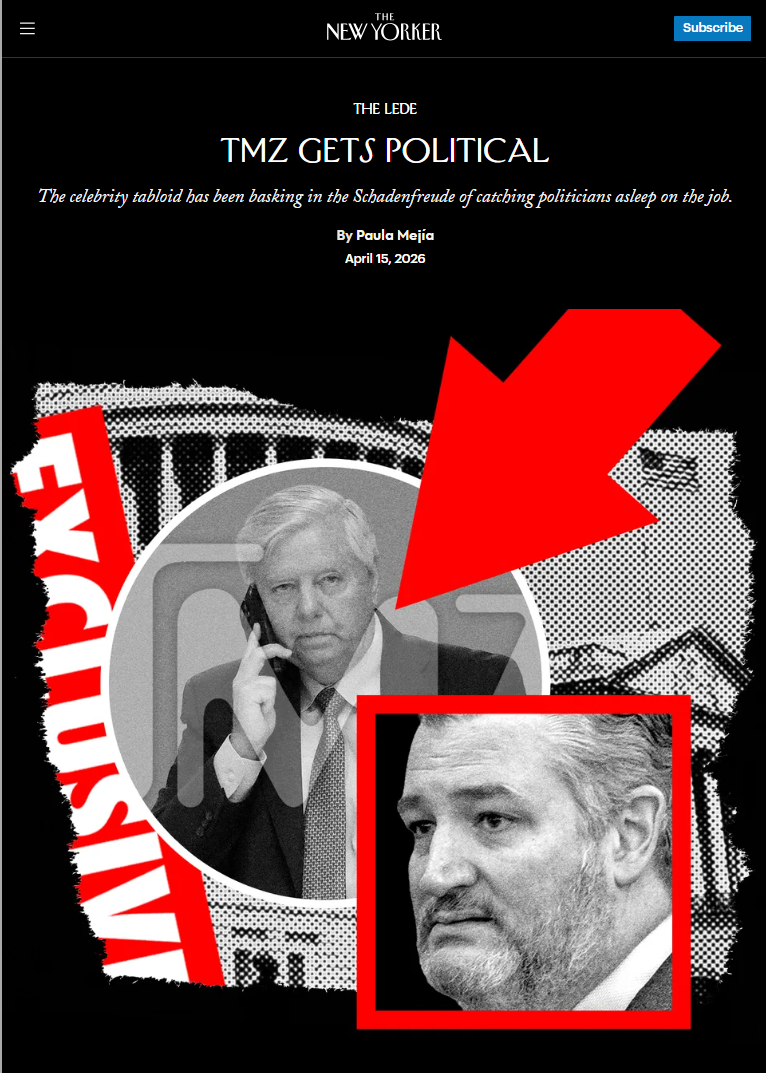
"TMZ Gets Political" (The New Yorker)
Takeaways:
TMZ's expansion into political coverage, deploying producers to Capitol Hill to pursue lawmakers with the same paparazzi-style accountability it applies to celebrities, reflects how the line between entertainment media and political accountability journalism has effectively dissolved.
The story is a reminder that any public-facing figure or organization is now subject to the logic of tabloid media: optics, candid moments, and caught-off-guard footage can define a reputation faster than any formal communication.
For PR and communications professionals, TMZ's D.C. pivot is a practical signal to stress-test reputational strategies against entertainment media frameworks, not just traditional press scrutiny.
"Hate spring cleaning? These 15-minute jobs will instantly lift the mood of your home" (House Beautiful)
Takeaways:
The rise of short, targeted task resets rather than marathon overhauls, reflects a consumer shift toward sustainable home maintenance habits built around emotional payoff and incremental progress.
Framing home care as a mood-management tool bridges the gap between the home and wellness categories, representing a meaningful opportunity for brands to speak to consumers' desire for control, calm, and comfort in their personal spaces.
Small, high-impact tasks that deliver a visible, immediate sense of freshness are proving more motivating to time-pressed consumers than comprehensive deep-clean approaches.
The "15-minute reset" trend reflects the same underlying consumer value driving micro-workouts, meditation apps, and bite-sized self-improvement content: people want meaningful results that respect their time and lower the bar to starting.
Getting familiar with the media outlets you want to be featured in is one of the smartest (and most underrated) moves you can make.
But first, wondering if earned media is even worth your energy? Read our "5 Pros to Earned Media (aka PR) Coverage" blog post and see why press coverage might just be the missing piece in your brand strategy.
Looking for 1:1 support on brand strategy & media outreach? Book a complimentary consultation with me here - I’d love to meet you!
Xo,
Julia, Che PR Founder